
Faith at home
How to Explain Baptism to a Child
A cousin's christening, a baptism in your church's pool, a question about their own baptism photos: children meet baptism early and have plenty of questions. Here is how to explain what baptism means, why Christians do it, and why churches practice it differently, in words children understand.
By the Biblelings team · Updated
The heart of it in one breath
When a child asks "What is baptism?" here is a short answer that fits almost every Christian church:
"Baptism is a special way of using water to show that someone belongs to God's family. Jesus was baptized, and he told his friends to baptize people everywhere. The water is a picture of being washed clean and starting a new life with God. It's a very happy day!"
The key ideas: baptism is about belonging to God and his family, it uses water as a sign of washing and new life, and Christians do it because Jesus did it and asked us to. Those are common ground. Where churches differ, which is mostly about who is baptized and what baptism does, you can explain gently later in this guide.
Start with Jesus' baptism
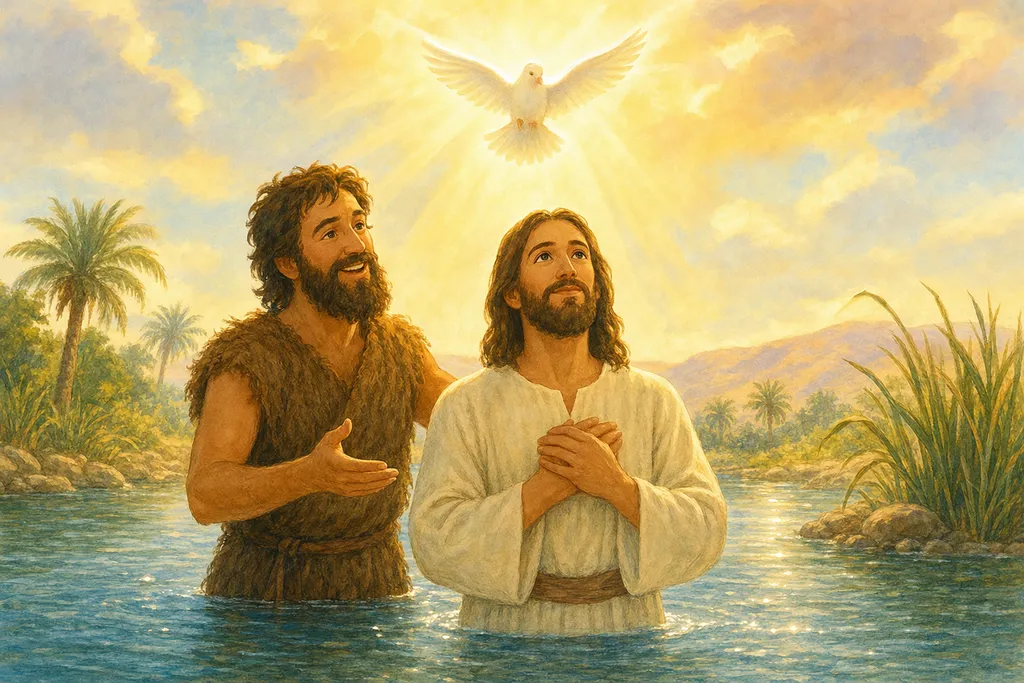
The easiest way into baptism for young children is a story. When Jesus was grown up, he went to the River Jordan, where his cousin John was baptizing people. Jesus asked John to baptize him too. Then something amazing happened:
"Jesus, when he was baptized, went up directly from the water: and behold, the heavens were opened to him. He saw the Spirit of God descending as a dove, and coming on him. Behold, a voice out of the heavens said, “This is my beloved Son, with whom I am well pleased.”" (Matthew 3:16-17)
Read Jesus Is Baptized together, then ask: "What did God say about Jesus? How do you think Jesus felt hearing that?"
That moment is a wonderful way to frame baptism for a child: it is a day when God says, "You are mine, and I love you." Many Christians see that same message at the heart of every baptism.
Later, before he went back to heaven, Jesus gave his friends a job: "Go and make disciples of all nations, baptizing them in the name of the Father and of the Son and of the Holy Spirit" (from Matthew 28:19). That's why the words "in the name of the Father, and of the Son, and of the Holy Spirit" are said at baptisms in churches all over the world.
What the water means
Children understand water. They wash in it, drink it, splash in it and swim in it. The Bible uses water in baptism as a picture of several things, and each can be explained simply:
- Washing. "When you're muddy, water makes you clean. Baptism is a picture of God washing away all the wrong things we've done."
- New life. Paul described baptism as being buried with Jesus and raised to a new life. "Going under the water is like saying goodbye to the old life, and coming up is like starting fresh with Jesus."
- Belonging. "When someone is baptized, it's like they're welcomed into God's big family, the Church, all over the world."
- God's promise. "Baptism is a sign of God's promises, a bit like a wedding ring is a sign of a promise."
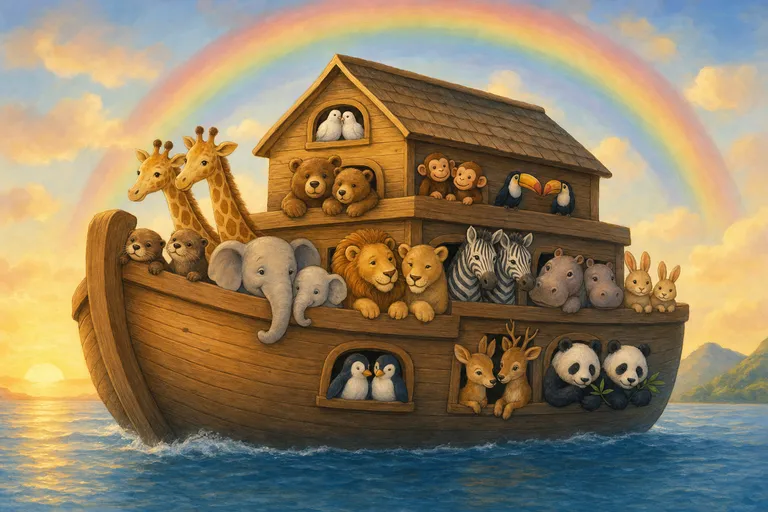
The Old Testament has stories that Christians have long seen as pictures of baptism: God bringing Noah's family safely through the flood (Noah's Ark), his people walking through the sea to freedom (Crossing the Red Sea), and Naaman washing in the Jordan and being made well (Naaman Is Healed). These make great conversation starters with older children.
Why churches baptize differently
Here is where it helps to be honest and kind. Christians love Jesus and take baptism seriously, and they have reached different conclusions about some questions. Your child will probably notice: a baby christened at one church, a teenager immersed in a pool at another. It's good to explain both fairly.
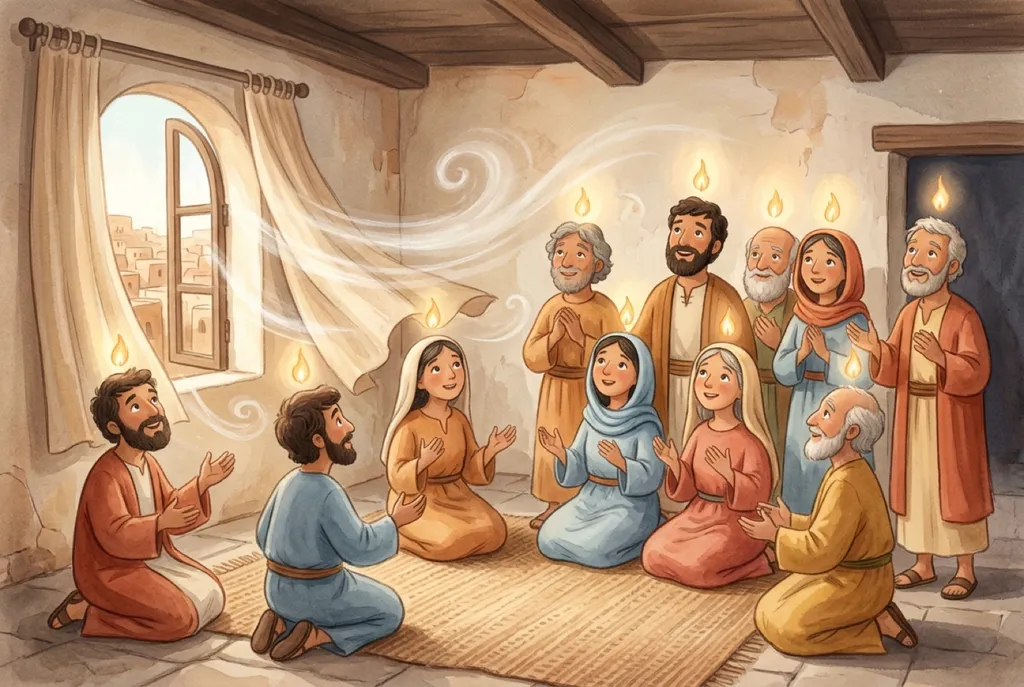
Infant baptism. Catholic, Orthodox, Anglican and Episcopal, Lutheran, Methodist, Presbyterian and Reformed churches, among others, baptize babies and young children of Christian families. They see baptism as a sign of God's grace that comes to us before we can do anything, and of God's promise to families. They point to Peter's words at Pentecost, "the promise is to you, and to your children" (from Acts 2:39), and to whole households being baptized in the Bible. Children baptized as babies are then raised in the faith and, in many of these churches, later confirm it for themselves.
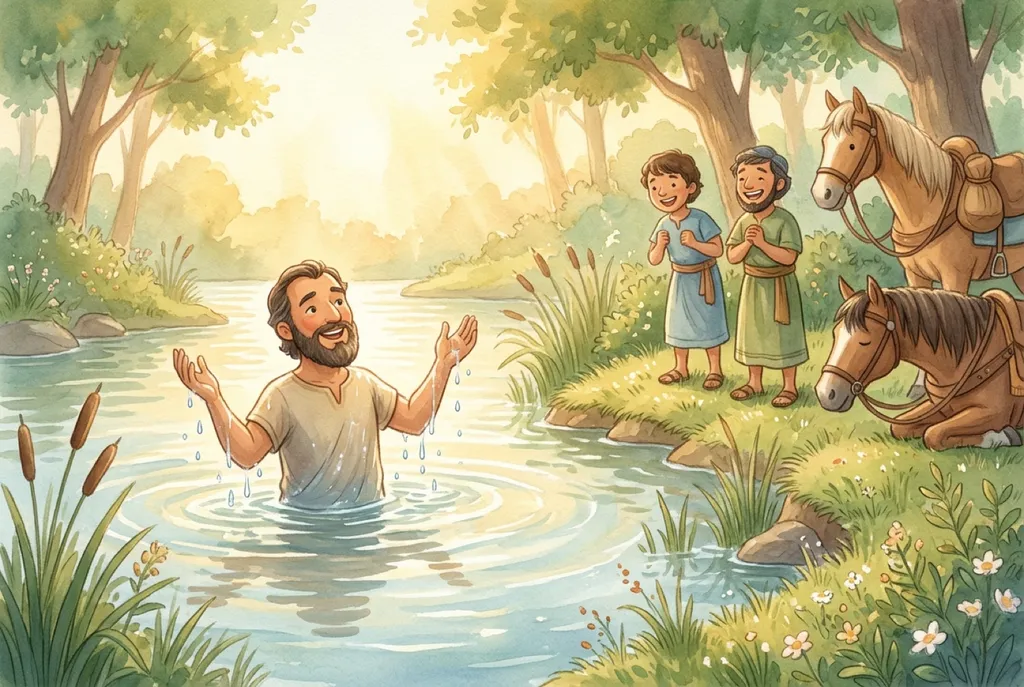
Believer's baptism. Baptist, Pentecostal, many non-denominational and evangelical churches, and Anabaptist churches, among others, baptize people when they are old enough to trust Jesus for themselves and ask to be baptized. They see baptism as a person's own public response of faith, following the pattern of people in the New Testament who believed and then were baptized. Many of these churches hold a dedication service for babies, where parents thank God and promise to raise their child to know him.
How water is used. Some churches pour or sprinkle water, some immerse (put the person completely under the water), and Orthodox churches immerse babies three times. Each tradition has thoughtful reasons.
A way to explain it to a child: "Christians all agree baptism is important, because Jesus told us to do it. Some churches baptize babies, to show that God loves them and welcomes them before they can even say his name. Other churches wait until people are old enough to say for themselves, 'I trust Jesus.' Both want people to belong to Jesus."
If your child asks about your own church's practice, explain it simply and positively, and your pastor or priest will gladly help.
Simple words, age by age
Ages 3 to 4. Keep it to belonging and joy. "Baptism is a special water blessing that shows someone belongs to God's family. When you were a baby, you were baptized, and everybody was so happy!" or "When people love Jesus, they get baptized in water, and everybody cheers!" Show baptism photos if you have them.
Ages 5 to 6. Tell Jesus' baptism story. Explain the washing picture. If your child was baptized as a baby: "When you were tiny, we brought you to church and the pastor poured water on you and said you belong to God. God made promises to you that day, and we made promises too, to help you know and love him." If your church practices believer's baptism: "One day, when you know you want to follow Jesus for yourself, you can talk to us and the pastor about being baptized."
Ages 7 to 8. Children can understand the "dying and rising" picture and why different churches do it differently. They may begin to ask about their own faith or about being baptized. Take those questions seriously and warmly, and involve your church's leaders.
If your child asks to be baptized
In churches that practice believer's baptism, children sometimes ask, quite young, if they can be baptized. This is a precious moment. A few gentle suggestions:
- Celebrate the question. "I'm so glad you want to follow Jesus!"
- Ask open questions. "What do you think baptism means? Why do you want to be baptized?" Listen more than you talk.
- Talk to your pastor. Many churches have a class or conversation for children who ask. Practices about age vary widely.
- Don't rush or pressure. If now isn't the time, make sure your child hears that their faith is real and welcome, and that waiting isn't a "no" to them.
In churches that baptize infants, an older child may ask about confirmation or first Communion, which are the next steps in many of those traditions. See our guide to explaining Communion to a child.
Preparing for a baptism day
Whether it's a new sibling's christening or a friend's baptism in a pool, a little preparation helps children enjoy the day:
- Tell them what will happen. "The pastor will pour water on baby Ella's head, and say a prayer. Everyone will say some promises. She might cry, and that's okay!"
- Read the story beforehand. Jesus Is Baptized is perfect the night before.
- Give them a job. Holding a candle (many churches give a baptism candle), handing over a gift, or saying "Amen."
- Look at their own baptism photos and certificate, if they have them, and tell them about their day.
- Remember the anniversary. Some families light the baptism candle each year and pray for their child. It's a lovely reminder that they belong to God.
- Pray together. "Dear God, thank you for baptism. Thank you that we can belong to your family. Please bless Ella and help her know you love her. Amen."
Looking for a gift? See our guides to baptism gifts for kids and godparent gifts.
Questions parents ask
Frequently asked questions
How do you explain baptism to a young child?
Say that baptism is a special way of using water to show that someone belongs to God's family. Jesus was baptized and told his friends to baptize people. The water is a picture of being washed clean and starting a new life with God.
Why was Jesus baptized if he never sinned?
Christians give several reasons: Jesus was showing he was one with the people he came to save, obeying God, and beginning his work. At his baptism, God the Father spoke and the Spirit came down like a dove, showing who Jesus is.
What is the difference between infant baptism and believer's baptism?
Churches that baptize infants see baptism as a sign of God's grace and promise to families, given before a child can respond. Churches that practice believer's baptism baptize people when they can profess faith for themselves. Both take baptism seriously.
What is a baby dedication?
Churches that practice believer's baptism often hold a dedication for babies instead. Parents thank God for their child and promise, with the church's support, to raise them to know and love Jesus.
What should I say if my child asks to be baptized?
Celebrate their desire to follow Jesus, ask open questions about what they think baptism means, and talk to your pastor. Practices about age vary between churches, so let your church guide the next steps.