Faith at home
How to Explain Sin and Forgiveness to a Child
Children know what it feels like to do something wrong long before they know the word 'sin.' Here is how to talk about sin honestly but gently, so that what your child remembers most is not shame but the wonderful news of God's forgiveness.
By the Biblelings team · Updated
The heart of it in one breath
If your child asks "What is sin?" or "Does God still love me when I'm naughty?" here is a short, gentle answer:
"Sin is when we choose to do something God says is wrong, like being unkind, telling a lie, or taking something that isn't ours. Everybody sins, even grown-ups. Sin makes God sad, and it hurts us and other people. But here's the best news: God always forgives us when we're sorry. Jesus came so that we can be forgiven and be close to God. God never stops loving you, not ever."
That's the shape to aim for: honest about wrong, clear that everyone does it, and landing firmly on love and forgiveness. If a child only remembers one part, make sure it's the last part.
Start with forgiveness, not fear
Some of us grew up hearing about sin in ways that left us anxious or ashamed. Others grew up never hearing about it at all. The Bible avoids both: it's completely honest about wrongdoing and completely confident about grace.
The Bible's own summary is blunt, "for all have sinned, and fall short of the glory of God" (from Romans 3:23), but it never leaves it there. It surrounds that truth with promises like this one: "If we confess our sins, he is faithful and righteous to forgive us the sins, and to cleanse us from all unrighteousness." (1 John 1:9)
For a young child, lead with the promise. Talk about forgiveness far more often than you talk about sin. A child who grows up knowing they are deeply loved can face their own wrongdoing honestly, because they're not afraid of losing that love.
Mistakes, accidents and sin
Young children often feel equally guilty about spilling milk and hitting their sister. It helps to gently untangle the two:
- An accident or a mistake is when something goes wrong that you didn't choose: you knocked over a cup, you forgot, you got a sum wrong. "That was an accident. Accidents aren't sin. Let's clean it up together."
- Sin is when we choose to do something we know is wrong, or choose not to do something good. "You knew grabbing the toy wasn't kind, and you did it anyway. That's a wrong choice."
This distinction matters a lot to sensitive children, who may otherwise feel that every mess is a moral failure. It also helps them understand that God cares about our hearts, not just whether things go smoothly.
You can also point out that sin isn't only about rules. At its root, sin is about turning away from God's love and from loving others. Jesus summed up God's law as loving God and loving our neighbor. Sin is anything that goes against that love.
Simple words, age by age
Ages 2 to 3. Keep it very concrete and very short. Focus on saying sorry and being forgiven. "You hit Sam. That hurt him. Let's say sorry. ... Sam forgives you. God forgives you too. I love you."
Ages 4 to 5. Introduce the word "sin" if your family uses it, and connect it to God:
"When we do wrong things, it's called sin. Sin hurts other people and it makes God sad, because he loves everyone. But when we tell God we're sorry, he forgives us, every single time. It's like he wipes the slate completely clean."
Ages 6 to 8. Children can begin to understand that sin isn't just individual naughty acts but something inside all of us, and that Jesus came to deal with it:
"Everyone has a pull inside toward doing wrong things. The Bible calls that sin. We can't fix it on our own, no matter how hard we try. That's why Jesus came. When Jesus died on the cross and rose again, he made a way for us to be forgiven and made new. When we trust him and say sorry, God forgives us completely."
The Psalms have a picture children love: "As far as the east is from the west, so far has he removed our transgressions from us." (Psalm 103:12) Ask: "How far is east from west? Can you ever get to the end of it?" That's how far God takes our sins away.
Saying sorry that means something
Children learn about God's forgiveness largely through how forgiveness works in their own family. A few practices help:
Teach a full apology. "Sorry" alone can become a quick escape hatch. For children around four and up, a fuller apology helps: "I'm sorry I _. It was wrong because _. Will you forgive me?" Don't force a tearful performance; aim for honesty.
Teach the words "I forgive you." Many families say "That's okay" when someone apologizes, but forgiving isn't the same as saying it didn't matter. "I forgive you" says: it was wrong, and I'm letting it go.
Model it yourself. When you snap at your child or break a promise, apologize to them. "I'm sorry I shouted. That was wrong. Will you forgive me? I'm going to ask God to forgive me too." Few things teach children more about grace than a parent who says sorry.
Restore quickly. After a wrong is forgiven, move on warmly. Don't keep bringing it up. That is what God does with us.
Pray "sorry" prayers. The "Thank you, Sorry, Please" pattern gives children a regular, safe way to bring their wrong choices to God. See our guide to teaching kids to pray.
Forgiving others
Being forgiven and forgiving others go together in the Bible. Paul wrote: "And be kind to one another, tender hearted, forgiving each other, just as God also in Christ forgave you." (Ephesians 4:32)
Forgiving is hard, especially for children with a strong sense of fairness. Some gentle ways to help:
- Acknowledge the hurt first. "That really hurt your feelings when she broke your tower. It's okay to feel upset."
- Explain that forgiving is a choice, not a feeling. "You might still feel cross. Forgiving means deciding not to pay her back or stay angry. You can ask God to help you."
- Separate forgiveness from safety. Forgiving someone doesn't mean letting them keep hurting you. If another child is repeatedly unkind, a grown-up still needs to help.
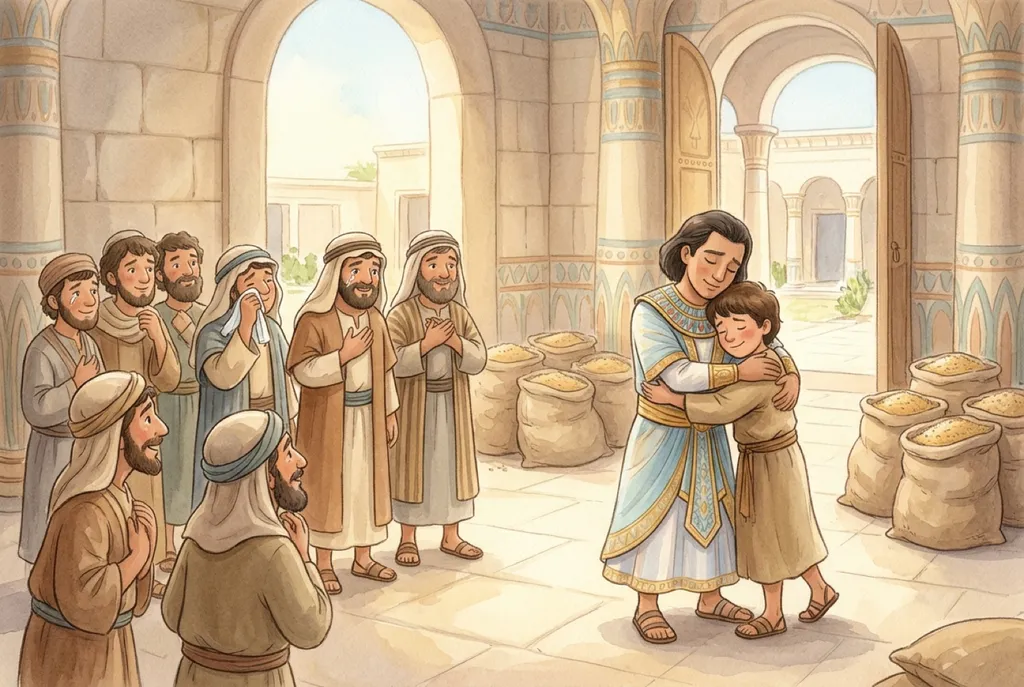
- Tell Joseph's story. Joseph's brothers did a terrible thing to him, and years later he forgave them with tears and hugs. (Joseph Forgives His Brothers)
Where churches differ
All Christians believe that God forgives sin through Jesus. Churches have different practices around confession and forgiveness, and your child will learn the pattern of your own church.
- Catholic and Orthodox families have the sacrament of confession (also called reconciliation or penance), and children usually make their first confession around the age of seven, before or around first Communion.
- Anglican, Lutheran and many other liturgical churches include a prayer of confession and a declaration of forgiveness in most services, and some also offer private confession.
- Many evangelical and free churches emphasize confessing sin directly to God in personal prayer, and asking forgiveness of anyone we've wronged.
Christians also use different words for how children relate to sin when they are very young. With little ones, there's no need to settle those questions. Focus on what all agree on: we all do wrong, God loves us, and God forgives.
Stories about sin and forgiveness
Bible stories show forgiveness far better than explanations can. Some of the best:
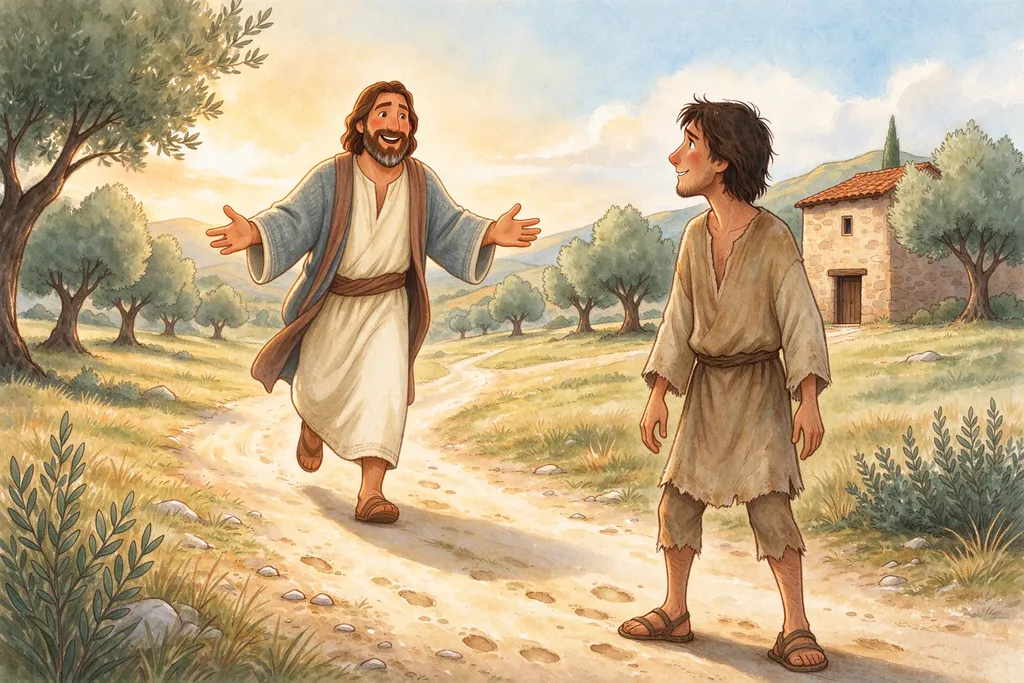
- The Prodigal Son. A son runs away and wastes everything; his father runs to meet him and throws a party. The clearest picture of God's forgiveness in the whole Bible.
- The Lost Sheep. The shepherd searches until he finds the one lost sheep. Jesus said, "there will be more joy in heaven over one sinner who repents, than over ninety-nine righteous people who need no repentance." (from Luke 15:7)
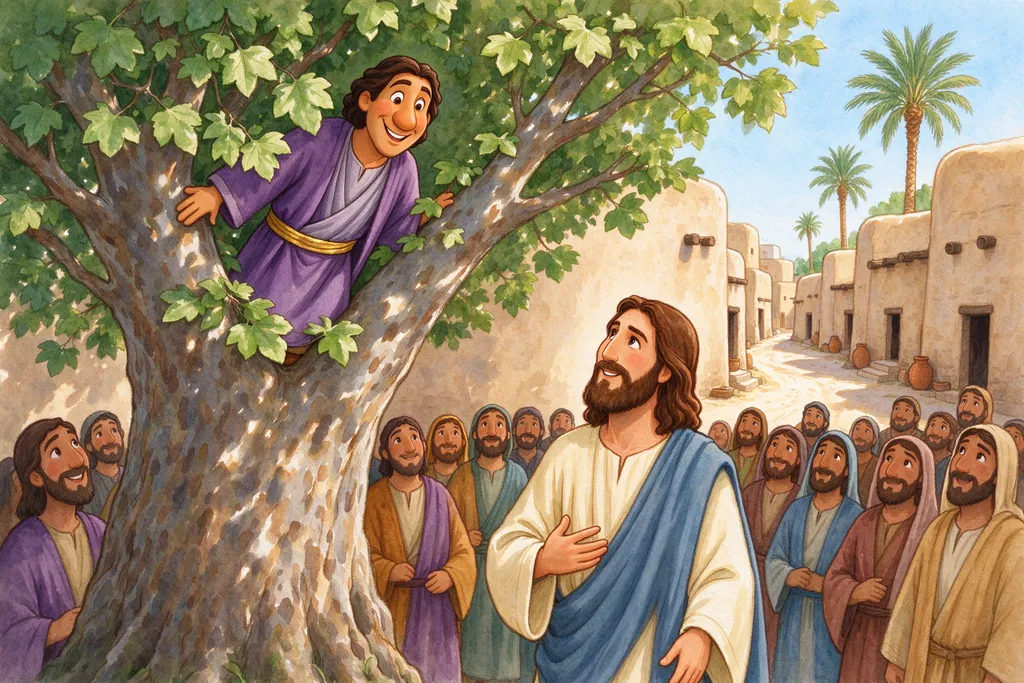
- Zacchaeus. Jesus' kindness changes a cheating tax collector's heart, and he makes things right.
- Jonah and the Big Fish. God gives Jonah a second chance, and gives the city of Nineveh one too.
- Joseph Forgives His Brothers. Forgiving family members who hurt you.
- Adam and Eve. The first wrong choice, and God's first promise of hope.
- Paul on the Road to Damascus. Even someone who hurt Christians could be forgiven and made new.
Find more in our Bible stories about forgiveness collection, and see our guide to explaining the cross to a child for how forgiveness connects to Jesus' death and resurrection.
Questions parents ask
Frequently asked questions
How do I explain sin to a young child?
Say that sin is when we choose to do something God says is wrong, like being unkind or lying. Everyone does it, even grown-ups. It hurts people and makes God sad, but God always forgives us when we're sorry, and he never stops loving us.
How do I teach my child about sin without making them feel ashamed?
Talk about God's forgiveness much more often than about sin, distinguish accidents from wrong choices, model apologizing yourself, and always end with love. Children who feel secure in God's love can be honest about their wrongs.
Is a mistake the same as a sin?
No. An accident or mistake is something that goes wrong without you choosing it, like spilling a drink. Sin is choosing to do something you know is wrong, or choosing not to do good.
What Bible verse teaches kids about forgiveness?
1 John 1:9 promises that if we confess our sins, God is faithful to forgive us. Psalm 103:12 says God removes our sins as far as the east is from the west. Ephesians 4:32 teaches us to forgive each other as God forgave us.
How do I help my child forgive someone who hurt them?
Acknowledge the hurt first, explain that forgiving is a choice to let go of paying back, pray for God's help together, and make clear that forgiving doesn't mean they have to accept being hurt again.